
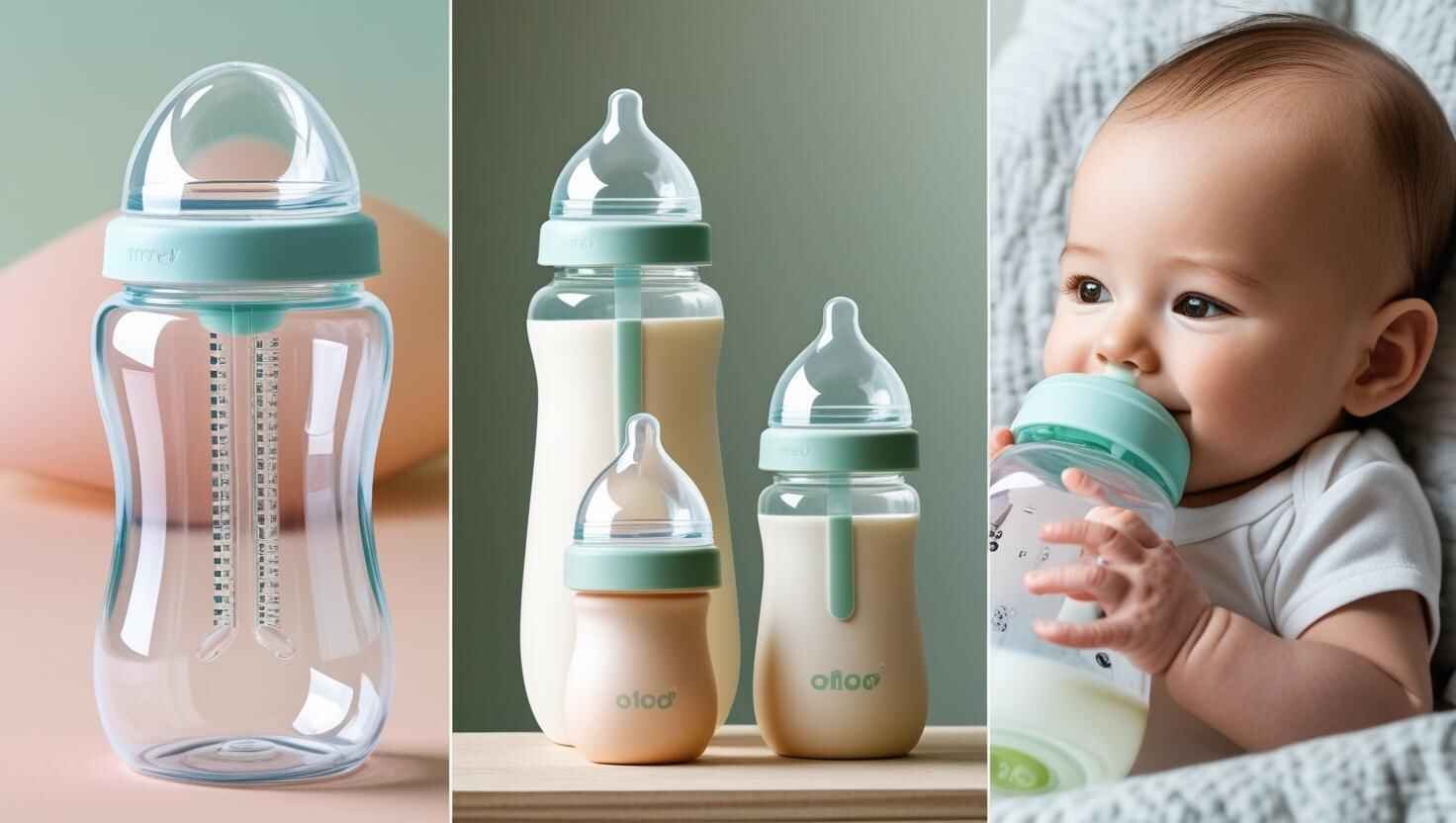
Sterilizing baby bottles is one of those tasks every new parent quickly gets used to. In the first few months, it feels like part of your daily survival kit: clean, sterilize, feed, repeat. But many parents eventually ask: “When can I stop sterilizing my baby’s bottles?”
The answer depends on your baby’s age, health, and environment. Let’s break down what experts say, when it’s safe to ease up, and what routines you can follow to keep your baby healthy without overcomplicating your day.
Why Sterilizing Baby Bottles Matters
Newborns and young infants have developing immune systems. Germs that might be harmless to adults can cause infections in babies, especially during the first months of life. Sterilizing bottles kills harmful bacteria that regular washing alone may not fully remove.
Think of sterilization as an extra layer of protection during your baby’s most vulnerable stage.
What the Experts Recommend
-
NHS (UK): Sterilize all bottles, nipples, and feeding equipment until your baby is at least 12 months old.
-
CDC (USA): Sterilization is most important in the first few months, or if your baby is premature or has weakened immunity.
-
Pediatric Hospitals: Many advise daily sterilization during the first 3–4 months, and then easing into thorough cleaning with hot water or dishwasher sanitation once your baby is older and healthy.
Signs It’s Time to Stop Daily Sterilization
There’s no one-size-fits-all age. Instead, look for these cues:
-
Baby’s age & development: After 3–6 months, most healthy, full-term babies don’t need every bottle sterilized daily.
-
Stronger immunity: Once your baby starts eating solids and exploring, they’re naturally exposed to more germs.
-
Clean water supply: If you have safe tap water and a dishwasher with a sanitize cycle, sterilizing every bottle may no longer be necessary.
-
Baby’s health: Premature infants or those with medical issues may need extended sterilization.
Typical Sterilization Timeline
Here’s a general guide many parents follow:
-
0–3 months: Sterilize bottles, nipples, and pacifiers daily.
-
3–6 months: Transition to sterilizing every few days or when bottles are new/dirty from travel.
-
6–12 months: Daily sterilization usually not required; thorough hot water + soap or dishwasher cleaning is enough.
-
After 12 months: Sterilization is rarely needed unless your pediatrician recommends it.
How to Transition Away from Sterilizing
Stopping sterilization doesn’t mean dropping hygiene. Here’s how to do it safely:
-
Start slow: Switch to sterilizing only once every few days, not every feed.
-
Focus on nipples/teats: If you want extra caution, sterilize only the parts that touch your baby’s mouth.
-
Clean immediately: Rinse bottles after every feed to prevent milk residue from building up.
-
Air-dry properly: Let bottles dry fully on a clean rack (not a towel, which can harbor bacteria).
Special Cases to Keep Sterilizing
-
Premature or medically fragile babies may need ongoing sterilization.
-
Weakened immune systems: Check with your pediatrician.
-
Unreliable water supply: In some regions, sterilization remains essential.
-
Traveling: When unsure about water quality, sterilize or use disposable liners.
Pros & Cons of Continuing Sterilization
Benefits:
-
Peace of mind
-
Extra protection for vulnerable babies
Downsides:
-
Time-consuming
-
Wears down bottles/nipples faster
-
Not always necessary once baby’s immunity strengthens
FAQs & Myths
Do I need to sterilize after every feed?
Only in the first months or if your baby has special health needs.
Is the dishwasher enough?
If your dishwasher has a sanitize cycle, it usually does the job.
Do I need to sterilize bottles used for breast milk?
Yes—milk residue can still harbor bacteria.
Can I stop sterilizing once my baby eats solids?
Not necessarily—focus on age, health, and water quality, not just diet.
Practical Checklist
✅ Baby younger than 3 months? → Sterilize daily.
✅ Baby healthy, over 6 months, safe water supply? → Switch to hot water + soap.
✅ Premature or immune-compromised baby? → Continue sterilizing as recommended.
Key Takeaways
-
Sterilization is most critical in the newborn stage.
-
Most families stop daily sterilizing around 3–6 months.
-
By 12 months, sterilization is generally unnecessary unless special conditions apply.
-
The golden rule: clean thoroughly, dry completely, and consult your pediatrician for guidance.