
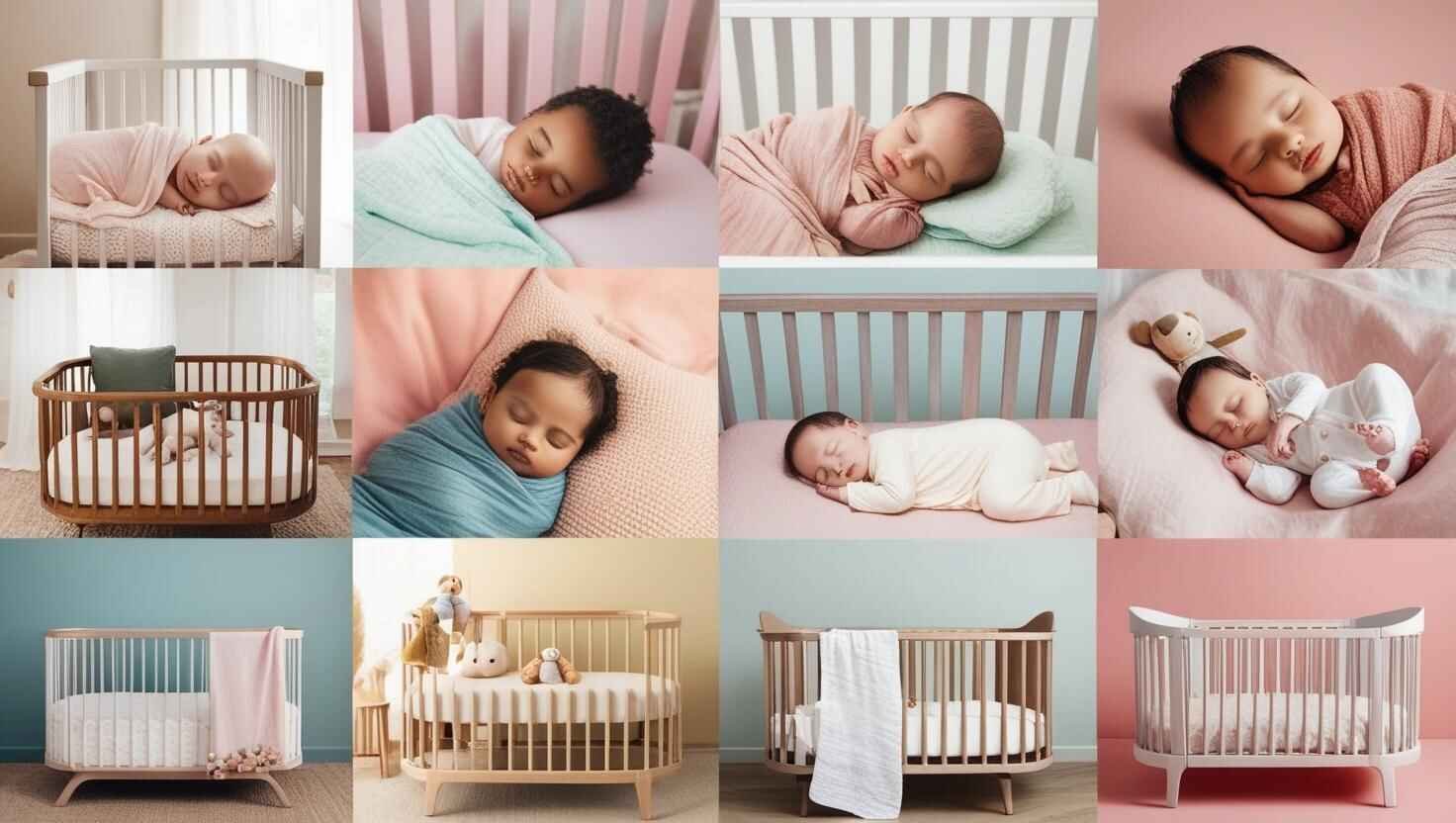
Shopping for a baby crib seems simple—until you actually start looking. Suddenly you’re hit with dozens of options: convertible cribs, portable cribs, mini cribs, cribs with drawers, cribs without bars… it’s a lot.
And if you’re anything like most new parents, you want the safest, most functional, and honestly, the cutest crib that doesn’t cost as much as a new fridge.
So let’s slow it down and talk about cribs in real terms. No complicated jargon. No pressure to buy the “most Instagrammable” option. Just what works, what’s safe, and what’s worth your money.
Here’s what you’ll learn in this article:
- The different types of baby cribs and which one fits your lifestyle best
- A table comparing popular cribs so you don’t have to hop between tabs
- A checklist of what features actually matter
- Answers to real questions parents ask all the time
- And finally, how to choose a crib you’ll actually love for more than a week
Let’s start with the basics, and then we’ll dive deeper.
Crib Types and How to Pick What Works for You
Not all cribs are built the same. Some are great for small apartments, others grow with your baby. And then there are those beautiful but impractical styles that look good in photos but are a nightmare to clean.
Here’s a simple breakdown of the main types of cribs and how they compare:
| Crib Type | Best For | Pros | Cons | Price Range |
| Standard Crib | Most families | Sturdy, easy to find accessories | Doesn’t convert or move easily | $100 – $300 |
| Convertible Crib | Long-term use | Converts to toddler bed, daybed, full bed | Conversion kits sold separately | $150 – $500+ |
| Mini Crib | Small spaces or grandparents’ homes | Space-saving, affordable | Baby outgrows it quickly | $100 – $250 |
| Portable Crib | Travel or temporary use | Lightweight, often foldable | Less sturdy than full-size cribs | $60 – $200 |
| Crib with Storage | Nurseries with limited space | Built-in drawers save space | Heavier, harder to move | $200 – $600+ |
| Round Crib | Unique style lovers | Visually stunning, center-of-room placement | Hard to find sheets and accessories | $300 – $800+ |
Takeaway:
- If you want to save space — go for a mini or portable crib.
- If you want longevity — convertible is the way to go.
- If you want something aesthetic and unique — a round crib could be your dream.
Features That Actually Matter in a Baby Crib
There are a lot of bells and whistles out there. Some are helpful. Others just make you spend more. Here’s a list of the features worth paying attention to, broken down simply.
Safety First — Always
- Slats should be no more than 2 3/8 inches apart (about the width of a soda can).
- No drop-side cribs (they’ve been banned in the US since 2011).
- The mattress should fit snugly—no gaps around the edges.
- Check for JPMA or ASTM certification labels.
Mattress Adjustability
- Cribs with at least two to three height settings are ideal.
- Start high when baby is a newborn. Lower as they grow and start pulling up.
Conversion Options
- Many cribs turn into toddler beds, daybeds, or even full beds.
- Make sure the conversion kit is included or budget for it separately.
Material and Finish
- Solid wood is sturdy and lasts longer.
- Look for non-toxic paints or finishes (babies chew everything!).
Ease of Assembly
- Some cribs are ridiculously complicated to put together.
- Read reviews to see if parents mention clear instructions or missing parts.
Storage Add-Ons
- Cribs with drawers can replace an entire dresser in tight spaces.
- Just be sure the added storage doesn’t compromise crib stability.
Mobility
- Some cribs come with wheels (look for lockable ones).
- Great if you need to move it between rooms.
Frequently Asked Questions About Baby Cribs
When should I buy a crib?
Most parents start shopping in the second trimester and aim to have the crib assembled by 32–36 weeks of pregnancy. This gives you time to fix any issues or return anything if needed.
How long can a baby sleep in a crib?
A standard crib can last until your child is about 2.5 to 3 years old. Convertible cribs last even longer since they grow with your child.
What’s the difference between a crib and a bassinet?
A bassinet is smaller and more portable, typically used for newborns up to 4–6 months. A crib is a longer-term sleep solution that fits babies and toddlers.
Are secondhand cribs safe?
Only if they meet current safety standards. Avoid drop-side models or anything over 10 years old. Always use a new, firm mattress for hygiene and safety.
Do I need a mini crib and a full-size crib?
Not always. If you live in a small apartment, a mini crib might be enough. But many parents use a mini crib for the early months, then transition to a standard or convertible crib.
Should I buy a crib with an attached changing table?
They can be convenient for small spaces, but not all babies enjoy diaper changes in the same spot where they sleep. Some parents find it useful, others don’t use the changing part at all.
Can a newborn go straight into a crib?
Yes, absolutely. As long as the crib meets safety standards and the mattress is firm and flat, it’s safe for newborn sleep.
Choosing the Right Baby Crib Doesn’t Have to Be Complicated
Finding the right crib isn’t about picking the “best” one on a list—it’s about picking what fits your life best. Do you need something compact? Something that grows with your child? Something beautiful for a statement nursery?
When you focus on safety, function, and fit (not just price or looks), you’ll land on the crib that truly works for you.
Here’s what to remember:
- Start with safety. It’s non-negotiable.
- Know your space. Mini cribs rock for apartments. Standard cribs are great for bigger nurseries.
- Think long-term if you’re trying to save money with a convertible crib.
- Read reviews—real parent stories are better than product descriptions.
- Don’t panic-buy just because a sale is ending. Take your time.
Cribs are where your baby will spend hundreds (if not thousands) of hours sleeping. It’s a big deal—but that doesn’t mean it has to be stressful.
Go with what feels right. And trust that no matter which crib you choose, your baby is going to love sleeping in it simply because it’s yours.