
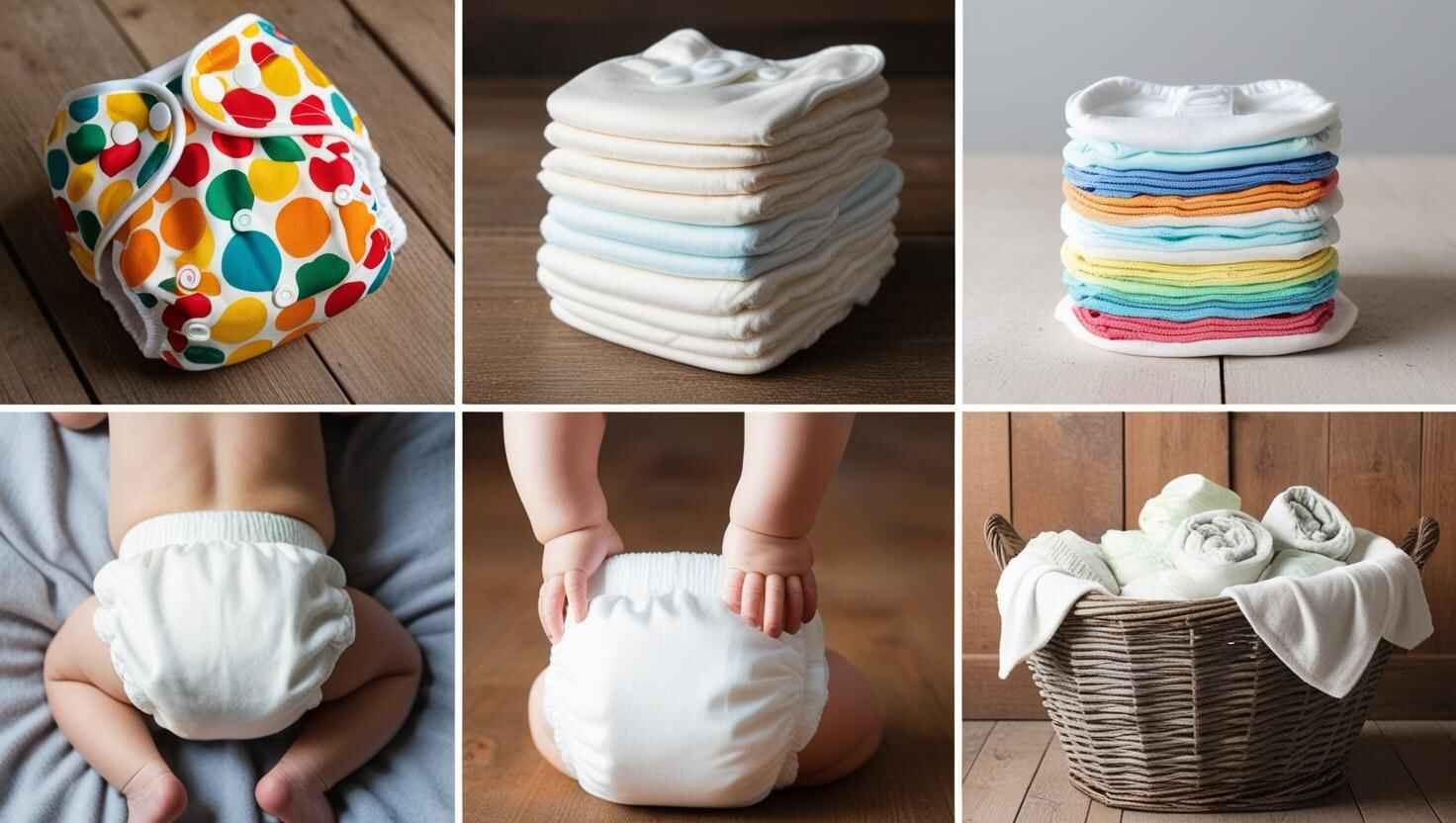
Let’s be real—diapering is a whole world in itself when you’re a new parent. And while disposable diapers might seem like the go-to choice for convenience, cloth diapers are making a major comeback, and for good reason. They’re eco-friendly, cost-effective in the long run, and (believe it or not) kind of cute. But if you’ve never used one before, the concept can feel a little… mysterious. Like, how do they actually work? Is it just folding some fabric and hoping for the best? Not quite.
In this deep dive, we’re going to unpack everything you need to know about how cloth diapers work—from the basic anatomy and types, to how they handle the messy business (yes, that business), and how you clean and care for them. Whether you’re on the fence about switching or just curious, this guide will leave you feeling like a cloth diaper pro.
So grab a cup of coffee (or a burp cloth, whichever you need most right now) and let’s get into it.
The Anatomy of a Cloth Diaper
Cloth diapers might look a bit old-school on the surface, but modern versions are surprisingly high-tech. They’re made up of multiple layers and components that work together to absorb moisture, prevent leaks, and keep your baby comfy and dry. Here’s a handy table to break down the typical parts of a cloth diaper:
| Component | What It Does |
| Outer Shell | Waterproof layer (usually made of PUL or TPU) to keep leaks from seeping out. |
| Absorbent Core | The heart of the diaper—absorbs pee and holds it in. Made from cotton, bamboo, microfiber, or hemp. |
| Stay-Dry Layer | (Optional) Keeps baby’s skin dry by wicking moisture away. Often made of microfleece or suedecloth. |
| Snaps or Velcro | Used to secure the diaper on your baby—just like a disposable but reusable! |
| Elastic Edges | Help the diaper hug the legs and waist to prevent leaks. |
| Liners (Optional) | Thin layer that sits on top to catch solids and make cleanup easier. |
Think of cloth diapers like a little reusable sandwich—each layer has a job, and together they create a system that’s comfy for your baby and better for the planet.
Types of Cloth Diapers
If you’ve ever Googled “types of cloth diapers,” you probably got hit with a wall of terms like AIOs, prefolds, and hybrids. It’s a lot. But don’t worry—we’re going to break it all down, one type at a time, so you can figure out what might work best for your lifestyle and budget.
All-in-One (AIO) Diapers
These are the most similar to disposables. Everything—the absorbent layers and waterproof cover—is sewn together. No assembly required.
- Pros: Super easy to use, great for daycare or caregivers.
- Cons: Longer drying time, more expensive upfront.
All-in-Two (AI2) Diapers
These have a removable insert that snaps into a waterproof cover. You can swap out the insert and reuse the cover a few times before washing.
- Pros: Quicker drying, less laundry bulk.
- Cons: More parts to manage.
Pocket Diapers
These have a pocket between the waterproof shell and the inner lining where you can stuff absorbent inserts.
- Pros: Customizable absorbency, quick to dry.
- Cons: You have to “unstuff” them before washing and “restuff” after.
Prefolds and Flats
This is the classic old-school diaper: a rectangular piece of cloth that you fold and fasten with a snappi or pins, and then cover with a waterproof wrap.
- Pros: Cheapest option, very durable.
- Cons: Learning curve, more steps involved.
Fitted Diapers
These are shaped like a disposable but made entirely of absorbent material. You still need to add a waterproof cover.
- Pros: Super absorbent—great for nighttime.
- Cons: Two-piece system can be bulky.
Hybrid Diapers
These give you the option of using either cloth or disposable inserts in a reusable cover. Kind of the best of both worlds.
- Pros: Flexible, convenient for travel.
- Cons: Can get pricey depending on the inserts used.
Whichever type you choose, remember: there’s no “perfect” cloth diaper. It’s all about what works best for you and your baby.
FAQs
How do cloth diapers stay on?
Most modern cloth diapers use either snaps or Velcro to secure them in place—kind of like reusable versions of disposable tabs.
Don’t they leak more than disposables?
When used correctly (and in the right size), cloth diapers are surprisingly leak-proof. Good fit + enough absorbency = dry baby.
What do I do with the poop?
Ah yes, the golden question. If your baby is exclusively breastfed, poop is water-soluble and can go straight in the wash. For formula-fed babies or solids-eaters, you’ll want to plop or spray the solids into the toilet before washing.
How often do I change a cloth diaper?
Usually every 2–3 hours during the day, or as soon as it’s wet or soiled. Some cloth systems are more absorbent and work for overnight, too.
How do you wash them?
Simple: Remove any solids, do a quick rinse cycle, then wash with detergent in hot water. Dry according to the manufacturer’s instructions—many can go in the dryer, but line drying can extend their life.
Isn’t it a ton of laundry?
It’s more laundry, yes, but it becomes part of your routine. Most families wash every 2–3 days.
Are cloth diapers really cheaper?
In the long run—yes. Even factoring in water and detergent, you’ll save hundreds (or even thousands) compared to disposables, especially if you reuse them for multiple kids.
What about diaper rash?
Many parents find that cloth diapers actually reduce diaper rash, since they contain fewer chemicals and let the skin breathe better.
Conclusion
So, how does a cloth diaper work? In a nutshell: it’s a clever little system of absorbent and waterproof layers that catches all the mess, keeps baby comfy, and helps you reduce waste and costs along the way. While the idea of cloth diapering might feel overwhelming at first, once you get into the rhythm, it becomes second nature. There’s something kind of satisfying about stacking up fresh, fluffy diapers and knowing you’re doing something good for your baby—and the planet.
Whether you go all-in with a full cloth setup or just dabble with hybrids or part-time cloth, every little bit counts. And hey, with all the cute prints and colors out there, you might even find yourself getting a little too excited about diaper laundry.