
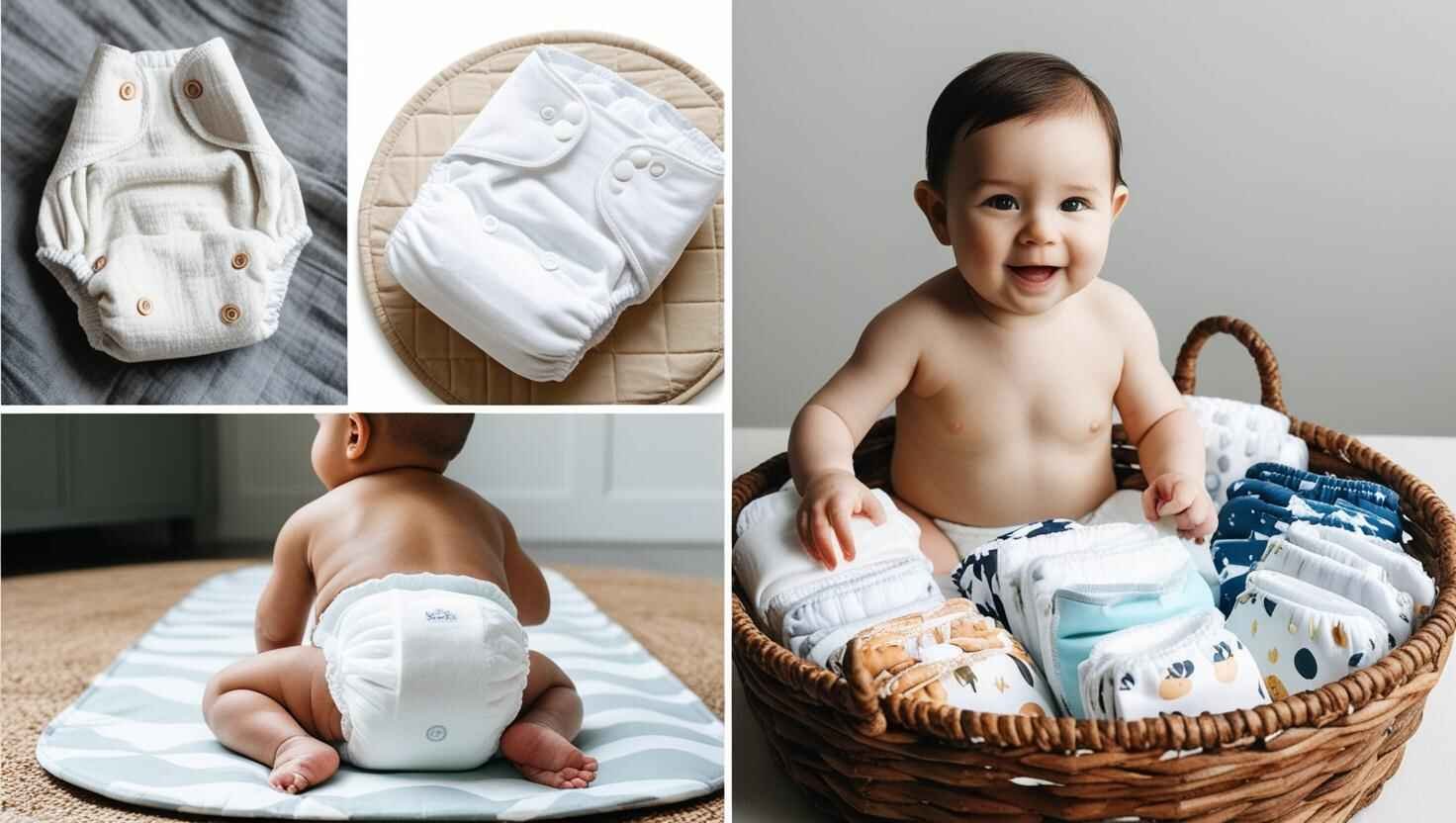
Disposable diapers have come a long way from their early designs. What started as a convenient alternative to cloth diapers has now evolved into a sophisticated product built around comfort, absorbency, and skin health. But what exactly makes a disposable diaper so effective—and what properties should parents pay attention to?
In this article, we’ll explore the key properties of disposable diapers, their materials, innovations in diaper technology, and what to look for when choosing the best option for your baby.
1. Absorbency and Retention Capacity
The most important feature of any diaper is absorbency—its ability to capture and retain liquid without leakage. Modern disposable diapers use a combination of fluff pulp and superabsorbent polymers (SAP), typically sodium polyacrylate, which can absorb up to 30 times their weight in fluid.
Why it matters:
-
Keeps baby’s skin dry longer
-
Reduces the frequency of diaper changes
-
Prevents irritation and diaper rash
Parent Tip: For overnight use, look for diapers with extra absorbent cores labeled “12-hour protection” or “overnight dry.”
2. Fluid Distribution and Wicking
Absorbing is only half the job—spreading liquid evenly prevents pooling and discomfort. High-quality diapers feature acquisition and distribution layers (ADL) that channel urine quickly into the core. These layers rely on capillary action to wick moisture away from the surface.
Result: Even if your baby moves around, the diaper stays dry on the inside and comfortable against the skin.
3. Leak Protection and Fit
Leakage control depends on both engineering and fit. Disposable diapers include:
-
Elastic leg cuffs and double gussets for containment
-
Flexible waistbands that adapt to movement
-
Stretch tabs that maintain a snug, leak-free seal
Pro Tip: Check for red marks on your baby’s legs—if you see them, the diaper may be too tight or not breathable enough.
4. Breathability and Moisture Vapor Transmission
A great diaper must also breathe. The backsheet layer, typically made of microporous polyethylene or nonwoven fabric, allows vapor to escape while keeping liquid inside. This breathability helps prevent diaper rash and keeps the skin’s microclimate healthy.
Bonus Insight (often missed in other articles): Breathable diapers use microporous films with tiny ventilation holes that are small enough to block liquids but large enough to release heat and moisture vapor.
5. Skin Compatibility and Hypoallergenic Materials
Since diapers are in constant contact with delicate skin, manufacturers now prioritize dermatologically tested, hypoallergenic materials.
Look for features like:
-
Fragrance-free and dye-free fabrics
-
pH-neutral layers that help balance baby’s skin acidity
-
Lotion coatings with aloe or vitamin E for comfort
Parent Tip: If your baby has sensitive skin or eczema, avoid scented diapers and switch to brands labeled as “dermatologist tested” or “for sensitive skin.”
6. Odor Control and Antimicrobial Properties
Disposable diapers also incorporate odor-lock technology through pH control and odor-absorbing additives like baking soda or activated carbon. Some newer designs include antimicrobial coatings to reduce bacterial growth, especially in long-wear or overnight diapers.
7. Structural Strength and Durability
Good diapers must maintain structure even when saturated. The fluff and SAP blend is stabilized by fiber bonding and top-sheet layering that resists tearing and sagging.
Performance features:
-
Wet strength: Holds shape after long wear
-
Compression resilience: Prevents “diaper sag” under weight
-
Softness: Flexible outer materials reduce stiffness and friction
8. Key Materials Used in Disposable Diapers
| Layer | Material | Function |
|---|---|---|
| Topsheet | Nonwoven polypropylene | Transfers liquid quickly, keeps skin dry |
| Acquisition layer | Polyester/polyethylene blend | Spreads liquid evenly |
| Absorbent core | Fluff pulp + superabsorbent polymer (SAP) | Stores liquid securely |
| Backsheet | Microporous polyethylene film | Prevents leakage while allowing airflow |
| Elastic cuffs & waistband | Spandex or elastic polymer | Provides stretch and snug fit |
| Fasteners | Hook-and-loop or adhesive tape | Keeps diaper secured in place |
9. Performance Testing: How Diapers Are Measured
This section adds SEO value by covering information missing in most blogs.
Diapers are tested for:
-
Absorbency rate: How fast liquid enters the core
-
Retention under pressure: How much liquid remains when compressed
-
Rewet test: Measures how much moisture returns to the surface
-
Breathability (MVTR): Moisture Vapor Transmission Rate, indicating ventilation quality
Why it matters: These lab-tested metrics ensure a balance between dryness, comfort, and durability—factors parents can look for in product claims.
10. Eco-Friendly and Innovative Diaper Technologies
As sustainability becomes a growing priority, many brands are re-engineering diaper properties for environmental impact.
Emerging innovations include:
-
Plant-based SAP and biodegradable fluff
-
Compostable backsheet films made from cornstarch or bamboo
-
Water-based adhesives (instead of chemical binders)
-
“Smart diapers” with wetness sensors that connect to apps
Gap filled: Few articles mention how these changes affect diaper performance. Eco-diapers may trade some absorbency for compostability, but they are improving rapidly.
11. Trade-Offs and Limitations
Every diaper design involves trade-offs between absorbency, softness, breathability, and eco-friendliness.
-
More absorbent → less breathable
-
Thinner design → less fluff support under compression
-
Added fragrances → higher risk of skin irritation
Parent Perspective: Try different brands and watch for skin reactions. No one diaper fits every baby perfectly.
12. How to Choose the Right Diaper
When evaluating diaper properties:
✅ Check absorbency and leak performance
✅ Prefer fragrance-free, hypoallergenic materials
✅ Test different fits for your baby’s activity level
✅ Consider eco-friendly or biodegradable options if sustainability matters
Disposable diapers may look simple, but they’re an impressive combination of material science, design, and comfort engineering. Understanding the properties of disposable diapers—from absorbency and fit to breathability and skin health—helps you make an informed choice for your baby’s comfort and your peace of mind.